Startup Culture in 2026: How New Companies Are Changing the Way the World Works
Explore how startup culture is transforming modern business through innovation, technology, remote work, AI, experimentation, and new approaches to solving global problems.
Written by
Anifoards Insights
Published
August 22, 2026
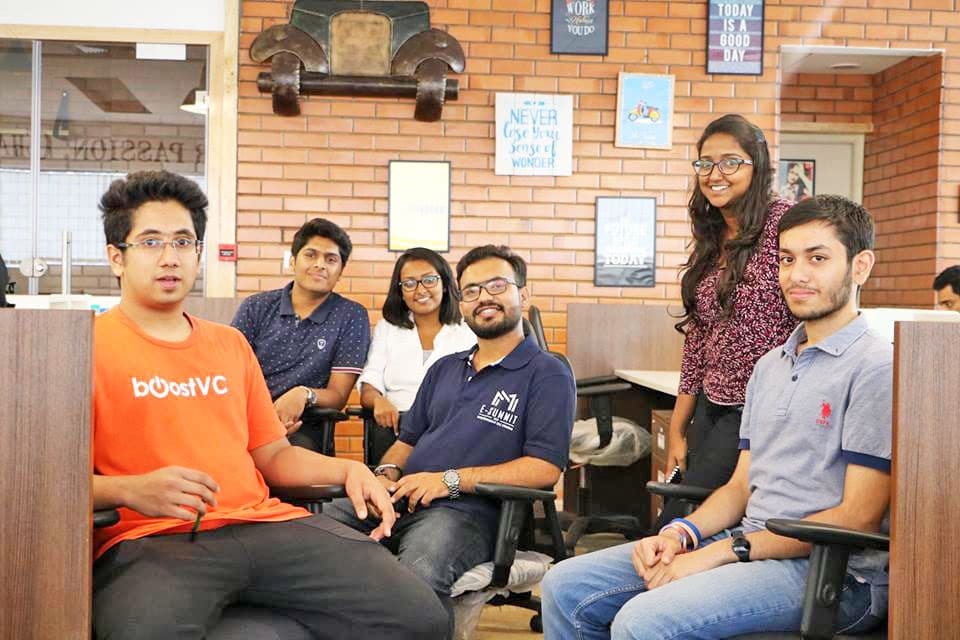
Startups have become one of the most influential forces in the modern business world.
A small group of people with an idea can now build a product, launch it online, reach customers across borders, and potentially create an entirely new industry.
Some of today's most influential companies once began as small startups operating with limited resources, uncertain futures, and ambitious ideas.
But what makes startups different from traditional businesses?
The answer is not simply technology.
It is startup culture.
Startup culture represents a way of thinking built around experimentation, innovation, speed, adaptability, and problem-solving.
Unlike traditional organizations that may operate through established systems and long decision-making processes, startups often work in environments where uncertainty is expected.
They must learn quickly.
They must adapt.
And they must constantly search for better ways to create value.
In a rapidly changing world, startup culture is influencing not only new companies but also large corporations, governments, and industries.
What Is Startup Culture?
Startup culture refers to the values, working methods, attitudes, and environment commonly associated with young and innovative companies.
Although every startup is different, many share similar characteristics.
These include:
Innovation Experimentation Fast decision-making Flexibility Collaboration Problem-solving Adaptability
A startup environment is often focused on one major question:
How can we solve this problem better?
The answer may involve technology, a new business model, or a completely different customer experience.
Startup culture encourages people to challenge existing systems.
Instead of accepting:
"This is how things have always been done,"
startup teams often ask:
"Why are we doing it this way?"
That question has the power to create disruption.
Startups Are Built Around Problems
The strongest startups usually begin with a problem.
The founders observe something inefficient, difficult, expensive, or outdated.
They then attempt to create a solution.
For example, startups may focus on problems related to:
Financial access Healthcare Education Transportation Communication Business productivity
The goal is not simply to create a company.
The goal is to create value.
This problem-solving mindset is one of the foundations of startup culture.
Speed Is an Important Startup Advantage
Large organizations often have multiple layers of management.
Decisions can take time.
Startups are often smaller.
This can allow them to move faster.
They can:
Test ideas quickly Release new features Respond to customer feedback Change strategies
However, speed does not mean making careless decisions.
The purpose of moving quickly is learning.
A startup can test an idea, analyze the results, and improve.
This process allows companies to discover what works.
Experimentation Is Part of the Process
Traditional organizations may avoid failure because mistakes can be expensive.
Startups cannot avoid uncertainty completely.
They often experiment.
Not every experiment succeeds.
But every experiment can provide information.
A startup may test:
Different products Pricing strategies Marketing campaigns Business models
The important thing is learning.
Instead of spending years developing something based entirely on assumptions, startups can test ideas with real customers.
This creates a culture where learning becomes more important than pretending to have all the answers.
Technology Has Reduced Barriers
Technology has made entrepreneurship more accessible.
A startup can use cloud infrastructure instead of building expensive data centers.
Teams can collaborate remotely.
Digital marketing can reach global audiences.
Artificial intelligence can assist with productivity and development.
Modern entrepreneurs have access to powerful tools.
These include:
Cloud computing Artificial intelligence Digital payments Social media Automation Data analytics
This does not guarantee success.
But it allows smaller teams to compete in ways that were once difficult.
Artificial Intelligence Is Transforming Startups
Artificial intelligence is becoming an important part of the startup ecosystem.
AI tools can help companies with:
Research Customer support Content creation Software development Data analysis Automation
For early-stage companies, efficiency is extremely important.
Startups often operate with limited resources.
AI can help small teams perform tasks more efficiently.
However, technology should not replace strategic thinking.
A startup still needs:
A clear problem A valuable solution Customer understanding Strong execution
AI can improve productivity.
But it cannot automatically create a successful business.
Remote Work and Global Teams
Startup culture is also changing where people work.
A company no longer necessarily needs every employee to sit in the same office.
Teams can collaborate across cities and countries.
This creates opportunities to access global talent.
A startup may have:
A founder in one country Developers in another Designers working remotely Customers around the world
Remote work creates flexibility.
However, it also requires stronger communication.
Company culture becomes more difficult to build when people are geographically separated.
Future startups will need to find new ways to create connection and collaboration.
Flat Organizational Structures
Many startups operate with fewer management layers.
This can create faster communication.
Employees may have greater access to founders.
Ideas can move quickly.
A junior employee may suggest an idea that influences an important business decision.
This environment can encourage creativity.
However, a flat structure does not mean the absence of leadership.
Clear responsibilities are still important.
As startups grow, they often need more structured systems.
The challenge is maintaining agility while building organizational discipline.
The Importance of Innovation
Innovation is at the heart of startup culture.
But innovation does not always mean inventing new technology.
A company can innovate by improving:
Customer experience Pricing Delivery Accessibility Business processes
Some of the most successful startup ideas are surprisingly simple.
They identify something people already need and make it easier.
The most important question remains:
How can we create more value?
Failure Is Treated Differently
Failure can be expensive.
It should never be celebrated without learning.
However, startup culture generally recognizes that experimentation involves mistakes.
The difference is how companies respond.
A failed experiment can provide valuable information.
Teams can analyze:
What went wrong? Why did it happen? What can we learn? What should we change?
This creates a learning culture.
The objective is not to fail repeatedly.
The objective is to learn quickly and avoid repeating the same mistakes.
Startups Are Changing Traditional Industries
Startups are influencing industries that were once dominated by established companies.
Innovation is happening across:
Financial services Healthcare Education Retail Transportation Media
Traditional companies are now paying attention to startup methods.
Many large organizations are creating innovation teams.
They are experimenting with new technologies.
They are attempting to become more agile.
Startup culture is no longer limited to startups.
Its influence is spreading across the business world.
Customer Feedback Is Extremely Valuable
Startups cannot afford to ignore customers.
Customer feedback helps companies understand whether their solution is valuable.
Early-stage businesses should pay attention to:
What customers like What customers dislike Where they experience problems Why they stop using a product
The best product decisions are often based on evidence rather than assumptions.
Startups that listen carefully can improve faster.
The customer is not always right about the solution.
But customers are important sources of information about the problem.
Startup Culture Encourages Ownership
In many startups, employees are expected to take ownership.
Instead of waiting for instructions, team members are encouraged to identify problems and propose solutions.
This creates a more entrepreneurial environment.
Ownership means asking:
"What can I do to improve this?"
rather than:
"Whose responsibility is this?"
When people feel responsible for outcomes, organizations can become more innovative.
The Challenge of Scaling
Startup culture works differently when a company is small.
A team of five people can communicate easily.
A company with five hundred employees requires systems.
Growth creates challenges.
Companies must introduce:
Clear processes Leadership structures Financial controls Communication systems
The challenge is maintaining innovation while building structure.
Too much structure can slow a company.
Too little structure can create confusion.
Successful companies must find a balance.
Funding and Startup Culture
Funding plays an important role in many startups.
Investment can provide resources for:
Hiring Product development Expansion Research
However, funding can also create pressure.
Investors may expect rapid growth.
Founders must therefore understand why they are raising capital and how it will support their strategy.
A startup should not define success only through funding announcements.
Funding is a resource.
The real measure of a business is its ability to create lasting value.
The Rise of Purpose-Driven Startups
A new generation of entrepreneurs is increasingly interested in purpose.
Many startups are focusing on challenges related to:
Climate Education Financial inclusion Healthcare access
These companies attempt to combine business opportunities with broader impact.
Purpose can also help attract employees and customers who share similar values.
The future startup ecosystem may increasingly focus on the question:
What problem can we solve that truly matters?
Challenges Facing Modern Startups
Startup culture can appear exciting.
But the reality is challenging.
Startups often face:
Limited Resources
Small companies must manage money carefully.
Intense Competition
Technology allows more companies to enter markets.
Uncertainty
The future is rarely predictable.
Pressure to Grow
Rapid growth can create operational problems.
Talent Competition
Finding skilled people can be difficult.
The startup journey requires resilience.
Behind every successful company are difficult decisions and periods of uncertainty.
What the Future of Startup Culture Looks Like
The next generation of startups will likely operate differently.
Artificial intelligence will become increasingly integrated into workflows.
Small teams may become more productive.
Global collaboration may become easier.
New industries will emerge.
However, certain principles will remain.
Successful startups will continue to need:
Strong ideas Customer understanding Adaptability Financial discipline Effective teams
Technology will change the tools.
Human creativity will continue to drive innovation.
Conclusion
Startup culture represents more than free office spaces, flexible schedules, or modern workplaces.
At its core, it represents a mindset.
A mindset built around curiosity.
Experimentation.
Speed.
Adaptability.
And the belief that existing problems can be solved differently.
Startups are changing the world because they challenge assumptions.
They question established systems.
They experiment with possibilities.
Not every startup will succeed.
But every new company has the potential to contribute an idea, innovation, or solution that influences the future.
The companies that will define the next generation may be small today.
They may be operating from a shared workspace, a university campus, or even a laptop.
But every major transformation starts somewhere.
Startup culture is not about moving fast for the sake of speed. It is about learning faster, adapting smarter, and continuously creating value in a changing world.
Community
Comments
Sign in to join the conversation.
Sign inContinue reading