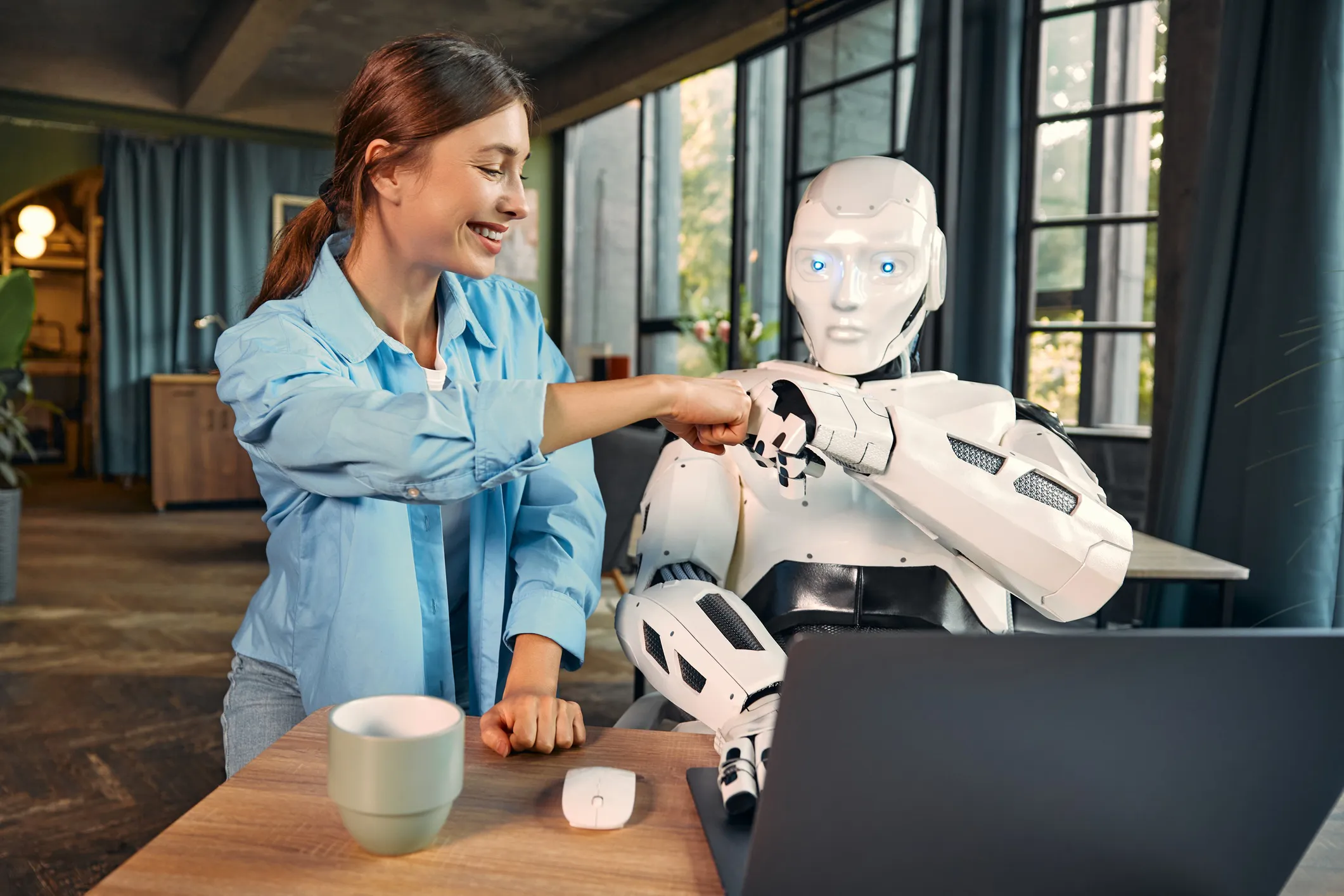
The Future of Technology: How Innovation Is Reshaping Our World
Explore how artificial intelligence, robotics, cloud computing, quantum technology, automation and digital innovation are shaping the future of technology and transforming the world.
Written by
Anifoards Insights
Published
August 29, 2026
Technology has become one of the most powerful forces shaping modern civilization.
From the smartphones in our hands to artificial intelligence systems capable of processing enormous amounts of information, technology influences almost every aspect of human life.
We communicate differently.
We work differently.
We learn differently.
We shop differently.
And increasingly, we make decisions with the help of technology.
What makes the current technological era particularly significant is not simply the number of new inventions. It is the speed at which innovation is happening.
Technologies that once took decades to reach the public can now evolve within a few years.
Artificial intelligence, automation, cloud computing, robotics, biotechnology, and quantum computing are opening possibilities that were once considered science fiction.
The question is no longer whether technology will change the world.
The question is:
How will we adapt to the world technology is creating?
Technology Is No Longer Just an Industry
For many years, technology was viewed as a separate industry.
There were technology companies, software companies, and hardware manufacturers.
Today, technology is everywhere.
Banks are becoming technology-driven.
Healthcare organizations are using digital systems.
Retail companies depend on data.
Media organizations operate through digital platforms.
Even traditional industries such as agriculture and manufacturing are increasingly using advanced technologies.
Technology is no longer simply supporting industries.
It is transforming them.
A modern business that ignores technological change may eventually struggle to compete with companies that understand how to use innovation effectively.
Artificial Intelligence Is Transforming the Digital World
Artificial Intelligence has become one of the most influential technologies of the modern era.
AI systems can assist humans in analyzing information, recognizing patterns, automating repetitive tasks, and generating content.
AI is being explored across industries including:
Healthcare Education Finance Marketing Manufacturing Software development Customer service
The potential impact is enormous.
Businesses can use AI to improve productivity.
Researchers can analyze complex data.
Students can access new learning tools.
Developers can accelerate software development.
However, artificial intelligence also creates important questions.
How will AI affect jobs?
How should AI systems be governed?
How can privacy be protected?
How do we ensure responsible use?
The future of AI will not only depend on technological advancement.
It will also depend on how society chooses to manage and use these powerful systems.
Automation Is Changing the Nature of Work
Automation is another major technological force.
Many repetitive tasks that previously required human effort can now be supported by machines and software.
Automation can improve:
Manufacturing efficiency Business operations Data processing Customer support Logistics
However, automation does not simply eliminate work.
It changes work.
As certain tasks become automated, new roles can emerge.
The future workforce may need to focus increasingly on skills that technology cannot easily replicate.
These may include:
Creativity Critical thinking Communication Leadership Strategic decision-making
The future may not be about humans competing against machines.
It may increasingly involve humans learning how to work alongside intelligent technologies.
Cloud Computing Has Changed How Businesses Operate
Before cloud computing, companies often needed expensive infrastructure to store data and operate software.
Cloud technology changed this.
Businesses can now access computing resources through the internet.
This allows startups and small companies to access powerful infrastructure without building everything themselves.
Cloud computing supports:
Remote work Digital platforms Data storage Software development Online services
It has become one of the foundations of the digital economy.
Many of the applications people use every day depend on cloud infrastructure.
As businesses continue to digitize, cloud technology will remain an important part of technological development.
The Rise of Smart Devices and Connected Technology
The world is becoming increasingly connected.
Smartphones, smart homes, wearable devices, connected vehicles, and industrial sensors are creating large networks of connected technology.
This concept is often associated with the Internet of Things (IoT).
Connected devices can collect and exchange information.
For example:
Smartwatches can monitor activity. Smart homes can automate lighting. Connected vehicles can process real-time data. Industrial sensors can monitor equipment.
The growth of connected technology could make systems more efficient.
However, greater connectivity also increases the importance of cybersecurity and privacy.
Cybersecurity Is Becoming More Important
As more information becomes digital, protecting that information becomes increasingly important.
Businesses store:
Customer information Financial records Business data Intellectual property
Individuals also depend on digital systems for communication and financial activities.
Cybersecurity focuses on protecting systems and information from digital threats.
The future of technology cannot be separated from cybersecurity.
As technology becomes more advanced, security systems must evolve as well.
Innovation without security can create serious risks.
Trust will become an increasingly important part of the digital economy.
Robotics and Intelligent Machines
Robotics is another area experiencing significant development.
Robots are being used in environments such as:
Manufacturing Warehousing Healthcare Agriculture Research
Modern robots are becoming more capable because of improvements in sensors, computing, and artificial intelligence.
The goal is not always to replace humans.
Robots can perform tasks that are repetitive, dangerous, or highly precise.
In the future, humans may increasingly work alongside machines designed to assist with complex activities.
Quantum Computing: A New Technological Frontier
Traditional computers process information using bits.
Quantum computing explores a different approach to computation.
Although still developing, quantum technology has the potential to influence areas involving extremely complex calculations.
Potential applications may include:
Scientific research Advanced simulations Materials research Complex optimization
Quantum computing is still an emerging field.
However, its development demonstrates how technological innovation continues to push beyond the limits of traditional computing.
The future may bring computing systems capable of solving certain problems in entirely new ways.
Biotechnology and Technology Are Coming Together
Technology is increasingly influencing biological sciences.
Advanced computing allows researchers to analyze large amounts of scientific information.
Artificial intelligence is being explored as a tool to support research and discovery.
The combination of biology and technology could influence:
Medical research Agriculture Environmental solutions
This intersection represents an important area of future innovation.
Technology is not only changing digital experiences.
It may increasingly help humanity understand complex biological systems.
The Future of Communication
Communication technology has evolved dramatically.
Letters were followed by telephones.
Telephones were followed by the internet.
The internet introduced instant messaging and video communication.
Today, people can communicate globally within seconds.
The next generation of communication technologies may become more immersive.
Developments in areas such as:
Virtual reality Augmented reality Spatial computing
could create new ways for people to interact digitally.
Future digital environments may allow people to collaborate in experiences that feel more interactive than traditional screens.
Virtual and Augmented Reality
Virtual Reality (VR) creates immersive digital environments.
Augmented Reality (AR) adds digital information to the physical world.
These technologies have potential applications in:
Education Entertainment Training Design Gaming
For example, immersive technology could allow students to explore historical environments or help professionals simulate complex situations.
While widespread adoption continues to develop, immersive technologies represent another step toward more interactive digital experiences.
Technology Is Transforming Education
Education is becoming increasingly digital.
Students can access educational resources from around the world.
Online learning platforms have made knowledge more accessible.
Technology can support personalized learning experiences.
AI-powered tools may help students explore topics differently.
However, technology cannot completely replace human teachers.
Education involves communication, mentorship, and social development.
The future of education may combine traditional learning with powerful digital tools.
The goal should not be replacing education with technology.
It should be improving access and learning experiences.
The Role of Technology in Business
Businesses are becoming increasingly dependent on technology.
Digital transformation can help organizations improve:
Efficiency Communication Customer experience Data analysis
Companies that understand technology can make faster and more informed decisions.
However, adopting technology simply because it is popular is not always effective.
Businesses should ask:
What problem does this technology solve?
Technology should support strategy.
The best innovations are those that create real value.
Data Is Becoming One of the World's Most Valuable Resources
Every digital interaction can generate information.
Businesses analyze data to understand:
Customer preferences Market trends Operational performance
Data can support better decision-making.
However, the growing importance of data creates responsibility.
Companies must consider:
Privacy Security Transparency
The future digital economy will depend heavily on trust.
People must feel confident about how their information is managed.
The Digital Divide Remains a Challenge
Technology creates opportunities.
But not everyone has equal access.
Some communities have limited access to:
Reliable internet Digital devices Technology education
This difference is often described as the digital divide.
As technology becomes more important, digital access may become increasingly connected to economic opportunity.
Future innovation should therefore focus not only on creating advanced technologies but also on making technology accessible.
The true impact of innovation depends on who can benefit from it.
Responsible Technology Will Shape the Future
Technological progress creates responsibility.
Companies and governments must consider the consequences of innovation.
Important questions include:
How is personal data protected? How should AI systems be used responsibly? How can technology remain accessible? How can innovation reduce rather than increase inequality?
The future of technology should not be measured only by how advanced systems become.
It should also be measured by whether technology improves human lives.
Responsible innovation will become increasingly important.
The Future of Technology and Human Creativity
There is often concern that advanced technology will reduce the importance of human creativity.
The opposite may be possible.
Technology can become a creative tool.
Artists can use digital platforms.
Entrepreneurs can access global markets.
Researchers can analyze information more efficiently.
Technology can expand human capabilities.
The greatest opportunities may emerge when human creativity and technological capability work together.
Machines can process information.
Humans can provide context, imagination, and purpose.
What Technologies Will Shape the Future?
Several major technologies are expected to influence the coming years:
Artificial Intelligence
Transforming productivity, research, and digital experiences.
Robotics
Improving automation and assisting with complex tasks.
Quantum Computing
Exploring new approaches to advanced computation.
Biotechnology
Combining scientific research with computational innovation.
Cloud Computing
Supporting digital infrastructure and global collaboration.
Cybersecurity
Protecting the increasingly connected digital world.
Immersive Technology
Creating new experiences through virtual and augmented environments.
Together, these technologies may create a future very different from the present.
The Most Important Technology Skill: Adaptability
Technology will continue to evolve.
Some tools will disappear.
New platforms will emerge.
Industries will transform.
The most important skill may therefore be the ability to learn.
Individuals do not need to become experts in every new technology.
But understanding technological change can help people adapt.
The future workforce may need continuous learning.
The most valuable professionals may not simply be those with the most knowledge today.
They may be those most capable of learning tomorrow.
Conclusion
Technology is reshaping the world at an extraordinary speed.
Artificial intelligence, automation, robotics, cloud computing, and emerging technologies are changing how businesses operate and how people live.
But technology itself is neither automatically good nor bad.
Its impact depends on how it is designed and used.
The greatest challenge of the future will not simply be inventing more powerful technology.
It will be ensuring that innovation creates meaningful value.
As the world becomes increasingly digital, one thing remains clear:
Technology will continue to change the way we live.
But humans will still decide what direction that change takes.
The future of technology is not only about smarter machines. It is about how humanity uses innovation, creativity, and responsibility to build a better world.
Community
Comments
Sign in to join the conversation.
Sign inContinue reading
More from Technology

India’s AI Workforce Is Entering a New Era: Productivity Rises as Talent Gaps Grow
India’s AI transformation is reshaping the technology workforce as companies use AI to boost productivity while demand for advanced skills in AI, cloud, cybersecurity and data continues to outpace available talent.