The Global Economy in Transition: Key Trends Shaping the Financial Future
Explore the major economic trends shaping the global financial future, including digital transformation, artificial intelligence, changing trade, inflation, sustainability, and emerging markets.
Written by
Anifoards Insights
Published
August 29, 2026
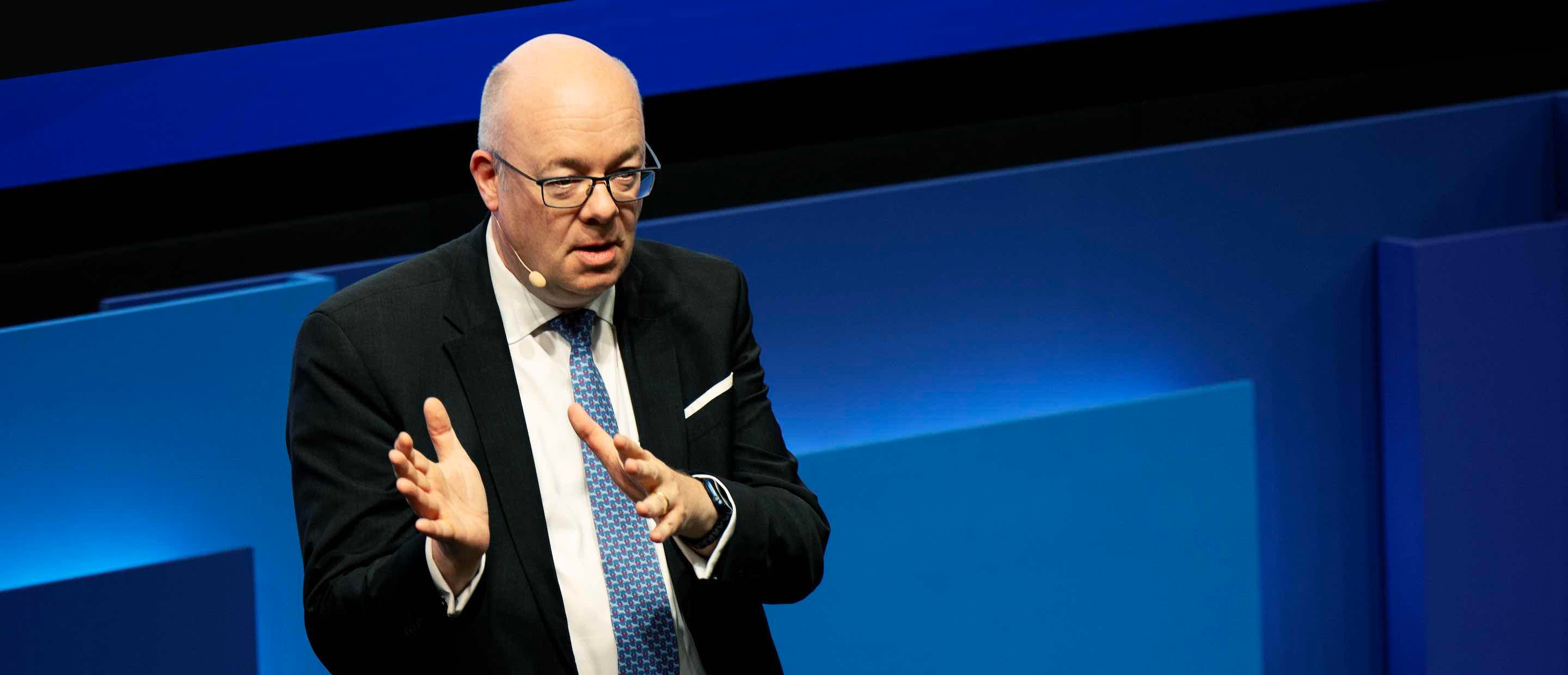
The global economy is entering a period of significant transformation.
Technology is changing industries. Artificial intelligence is reshaping work. Digital payments are transforming commerce. Supply chains are evolving, and emerging markets are becoming increasingly important to global growth.
At the same time, governments, businesses, and individuals continue to navigate challenges related to inflation, economic uncertainty, energy transitions, and changing consumer behavior.
The world economy has always evolved.
But the speed of change today is creating a financial environment that is more connected, complex, and unpredictable than ever before.
Understanding these changes is important not only for governments and large corporations but also for entrepreneurs, professionals, investors, and consumers.
The future of the global economy will be shaped by several powerful forces.
What Does a Changing Global Economy Mean?
A global economy refers to the interconnected economic activities of countries around the world.
Events in one region can influence markets elsewhere.
Changes in:
Trade Technology Energy Interest rates Supply chains Consumer behavior
can have international consequences.
For example, a disruption in global supply chains can affect product prices in multiple countries.
A technological innovation developed in one country can quickly influence businesses worldwide.
This interconnectedness creates opportunities, but it also creates new risks.
The modern economy is no longer shaped only by what happens within national borders.
Global events increasingly influence local financial realities.
Technology Is Becoming an Economic Force
Technology is no longer simply a separate industry.
It is becoming part of almost every industry.
Businesses across sectors are adopting:
Artificial intelligence Cloud computing Automation Data analytics Digital platforms Robotics
This transformation is changing productivity.
Companies can automate repetitive tasks, analyze large amounts of information, and operate across international markets more efficiently.
However, technology also creates disruption.
Some traditional roles may change.
New professional skills may become necessary.
Entire industries may need to adapt.
The future economy will increasingly reward adaptability.
Artificial Intelligence and Economic Transformation
Artificial intelligence has become one of the most discussed technologies of the modern era.
AI has the potential to influence:
Business operations Healthcare Finance Manufacturing Education Marketing Software development
Companies are exploring how AI can improve productivity and decision-making.
However, the economic impact of AI extends beyond automation.
It could create entirely new industries and business models.
At the same time, AI raises important questions about employment and skills.
The future workforce may need to develop abilities that complement technology.
Skills such as creativity, critical thinking, communication, and strategic decision-making may become increasingly valuable.
The relationship between humans and technology will become one of the defining economic questions of the coming decades.
The Changing Nature of Work
The traditional idea of employment is evolving.
For many people, work was historically connected to a physical office and a fixed schedule.
Technology has introduced new possibilities.
Today, professionals can participate in:
Remote work Freelancing Digital entrepreneurship Global collaboration Creator-led businesses
Companies can hire talent from different regions.
Professionals can work with international clients.
Individuals can build businesses through digital platforms.
This does not mean traditional employment will disappear.
However, the structure of work is becoming more flexible.
The future workforce may increasingly focus on skills rather than simply job titles.
Continuous learning may become essential.
Emerging Markets Are Becoming Increasingly Important
For decades, the global economy was heavily dominated by a small number of developed economies.
Today, emerging markets are becoming increasingly important.
Countries with growing populations, expanding digital infrastructure, and developing consumer markets are creating new economic opportunities.
India, for example, represents an important part of this broader transformation.
Growing digital adoption and entrepreneurship are contributing to the development of new industries and consumer markets.
Emerging economies may play a larger role in shaping:
Global consumption Technology markets Manufacturing Innovation Entrepreneurship
The future economic landscape may therefore become more geographically diverse.
Digital Economies Are Expanding
The internet has created entirely new economic ecosystems.
Digital businesses can operate across borders.
A company may serve customers in multiple countries without establishing a physical presence in each location.
The digital economy includes:
E-commerce Online services Digital media Software platforms Online education Creator businesses
This expansion has created opportunities for smaller companies.
A startup with a strong digital product can potentially reach a global audience.
However, digital markets are also highly competitive.
Technology reduces geographical barriers, but it also exposes businesses to international competition.
Global Trade Is Changing
International trade remains one of the foundations of the global economy.
However, supply chain disruptions and geopolitical developments have encouraged businesses to rethink how products move around the world.
Companies are increasingly focusing on:
Supply chain resilience Regional manufacturing Multiple suppliers Local production capabilities
The goal is to reduce dependence on a single location or supplier.
Globalization is therefore not necessarily disappearing.
Instead, it is evolving.
Businesses are becoming more strategic about where they manufacture, source materials, and distribute products.
The future of global trade may focus on balancing efficiency with resilience.
Inflation and the Cost of Living
One of the most important economic issues affecting households and businesses is inflation.
When the general cost of goods and services increases, consumers may experience pressure on their purchasing power.
Inflation can affect:
Household budgets Business costs Consumer spending Interest rates Investment decisions
For businesses, rising costs can create challenges related to production and pricing.
For consumers, financial planning becomes increasingly important.
Inflation demonstrates why understanding economics is not only important for policymakers.
Economic changes can directly affect everyday life.
Interest Rates and Economic Decisions
Interest rates influence many parts of the economy.
They can affect:
Borrowing Business investment Consumer spending Housing markets Savings
When borrowing becomes more expensive, businesses and consumers may change their financial decisions.
When financial conditions change, markets often respond.
The relationship between interest rates, inflation, and economic growth is complex.
However, understanding that these factors are connected can help individuals better understand broader financial news.
Economic decisions made at the policy level can eventually influence businesses and households.
Sustainability Is Becoming an Economic Opportunity
Environmental challenges are increasingly influencing economic decisions.
Businesses are exploring sustainable technologies and new approaches to production.
This is creating opportunities in areas such as:
Renewable energy Electric mobility Clean technology Sustainable manufacturing
The transition toward sustainability is not only an environmental discussion.
It is also becoming an economic transformation.
New industries require new infrastructure, technology, and skills.
Companies that successfully adapt to changing environmental expectations may discover new opportunities.
The future economy may increasingly connect profitability with sustainability.
The Energy Transition Will Influence Global Markets
Energy plays a fundamental role in economic activity.
Transportation, manufacturing, infrastructure, and technology all depend on energy.
As countries explore alternative energy sources, the global energy landscape is changing.
Investment is increasing in technologies related to:
Solar energy Wind energy Energy storage Electric transportation
The transition will take time.
Traditional energy sources will continue to play an important role in many economies.
However, the direction of innovation is clear.
Energy systems are becoming an important area of economic competition and technological development.
Consumers Are Changing the Economy
Consumer behavior has a powerful influence on businesses.
Modern consumers increasingly value:
Convenience Digital access Personalization Speed Transparency
Businesses must constantly adapt.
A company that understands changing customer expectations may gain a competitive advantage.
The growth of online shopping demonstrates how quickly consumer behavior can transform industries.
Consumers are no longer passive participants.
Through reviews, social media, and digital platforms, they can influence brand reputations and market trends.
The future economy will increasingly be shaped by digitally connected consumers.
Data Is Becoming a Valuable Economic Resource
Data is becoming increasingly important.
Businesses use data to understand:
Customer behavior Market trends Operational performance Consumer preferences
Data-driven decision-making can help companies improve efficiency.
However, the growing importance of data also raises questions about privacy.
As organizations collect more information, responsible data management becomes essential.
The companies of the future will need to balance innovation with trust.
Data may create economic value, but consumer confidence remains equally important.
The Rise of New Business Models
Economic transformation is creating new business models.
Traditional companies are increasingly exploring:
Subscription services Digital platforms Direct-to-consumer models Marketplace businesses Software services
Technology allows companies to experiment with new ways of delivering value.
The traditional boundaries between industries are also becoming less clear.
A technology company may enter finance.
A retailer may become a media platform.
A car company may develop software ecosystems.
Innovation is changing how businesses define themselves.
Entrepreneurship Will Continue to Drive Innovation
Large companies play an important role in the global economy.
However, startups and entrepreneurs are often responsible for challenging traditional systems.
Entrepreneurs can identify problems and experiment with new solutions.
The growth of digital technology has reduced barriers to starting businesses.
A small team can now access tools that were once available only to large organizations.
This creates a more competitive environment.
The future economy may increasingly depend on the ability of entrepreneurs to create new industries and opportunities.
Financial Literacy Will Become More Important
As financial systems become more complex, individuals will need greater financial awareness.
People are exposed to:
Digital investment platforms Online lending New financial products Global financial news
More choices can create more opportunities.
But they can also create more confusion.
Financial literacy helps individuals ask important questions before making decisions.
Understanding basic concepts such as:
Inflation Interest Debt Saving Risk
can help people navigate a changing economic environment.
The future economy will require not only technological literacy but financial literacy as well.
Economic Uncertainty Will Remain
One important reality is that the global economy will always experience uncertainty.
Markets change.
Technology evolves.
Political events influence trade.
Consumer preferences shift.
The goal is not to predict every economic event.
That is impossible.
Instead, businesses and individuals can focus on building adaptability.
Organizations can diversify.
Individuals can develop new skills.
Entrepreneurs can remain flexible.
Economic resilience may become one of the most valuable advantages in an uncertain world.
What Businesses Should Prepare For
The future economy will reward businesses that can adapt.
Companies should consider:
Digital Transformation
Technology will continue reshaping industries.
Workforce Development
Employees will need new skills.
Customer Expectations
Digital experiences will become increasingly important.
Global Competition
Businesses may compete internationally.
Sustainability
Environmental responsibility may influence future opportunities.
Economic Resilience
Companies must prepare for unexpected disruptions.
The future cannot be predicted perfectly.
But preparation can improve the ability to respond.
Conclusion
The global economy is entering a new era.
Technology, artificial intelligence, digital transformation, sustainability, and changing consumer behavior are reshaping how businesses operate and how individuals work.
The transition will create both opportunities and challenges.
Some industries will evolve rapidly.
New business models will emerge.
Professional skills will change.
The most important advantage may not be predicting exactly what happens next.
It may be developing the ability to adapt.
For businesses, this means embracing innovation while building resilience.
For individuals, it means continuously learning and understanding the forces shaping the economy.
The global economy of the future will be more connected and more digital.
But it will also require something that technology alone cannot provide:
Human adaptability.
The future of the global economy will not be defined only by the technologies we create, but by how effectively businesses, governments, and individuals adapt to the changes those technologies bring.
Community
Comments
Sign in to join the conversation.
Sign inContinue reading